Explore the atlas

Places.

Find a place that stays with you.

Clear filters
Results40

Photo: Julian Nyča · Resized and converted to WebP · License: CC BY-SA 3.0

Bosnia and Herzegovina / Heritage

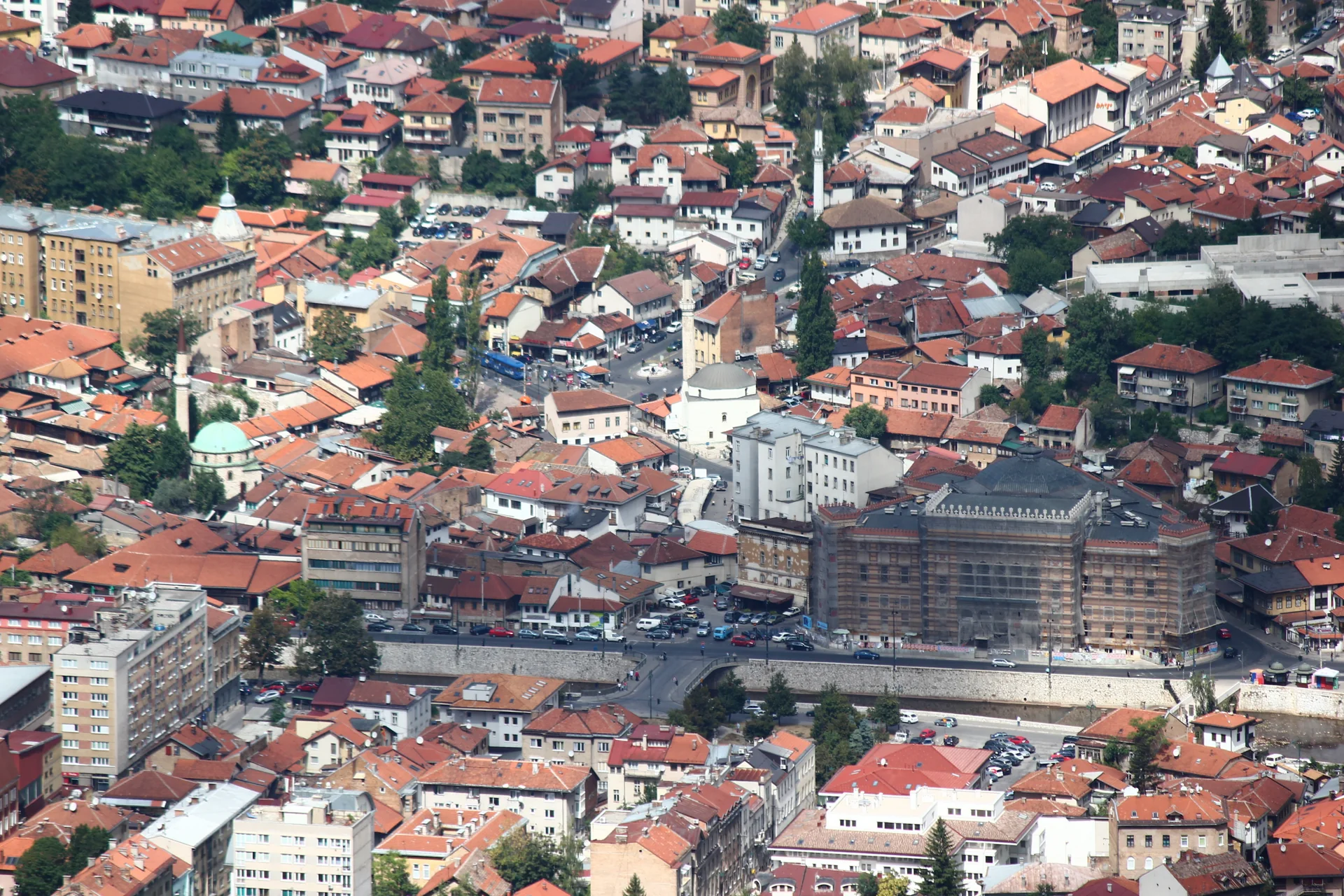
Baščaršija, Sarajevo

Baščaršija is the historic market area in Sarajevo’s old town. Its streets and the Sebilj fountain are part of the city’s historic centre.
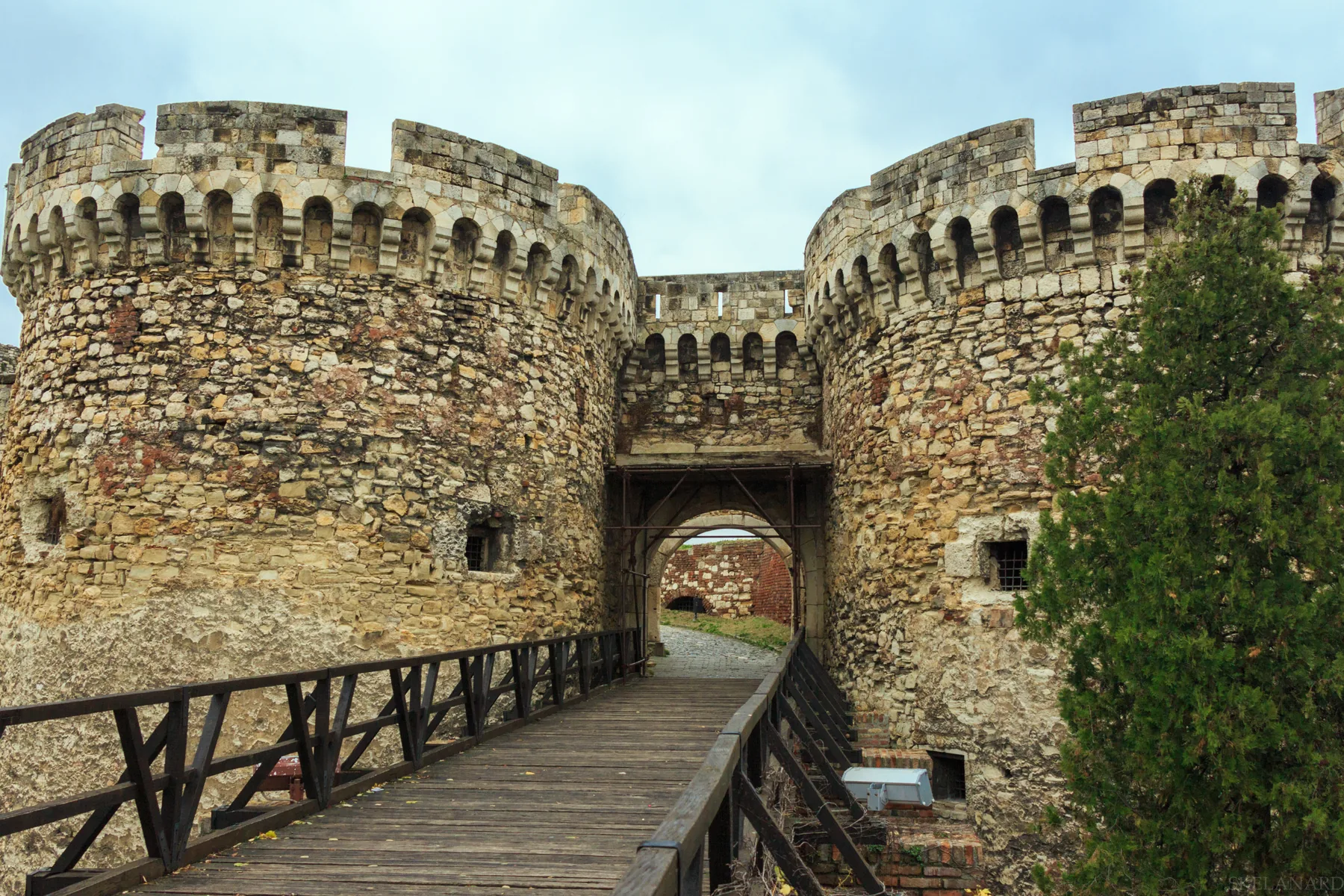
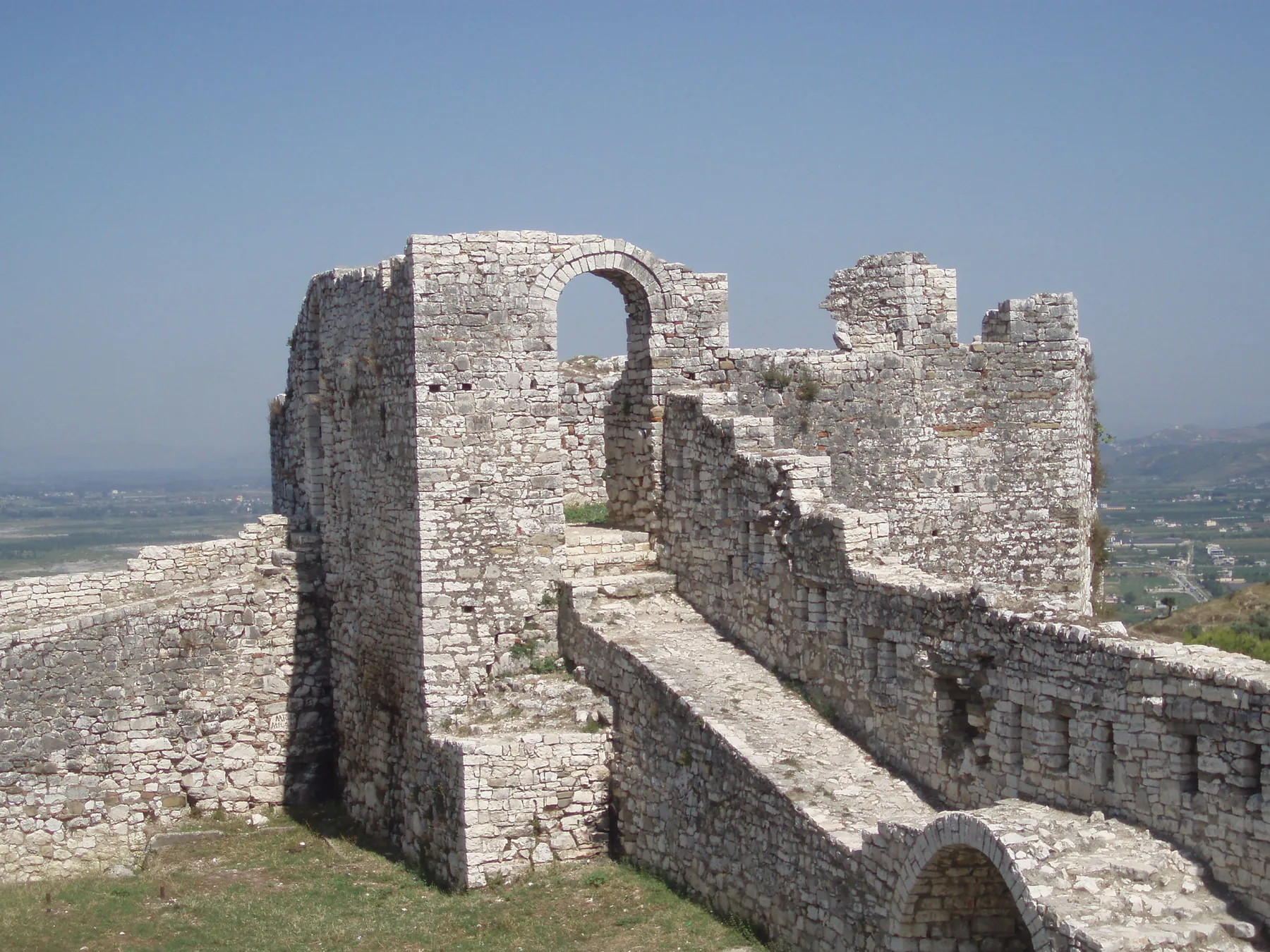
Photo: Entrance to the Belgrade Fortress — Skelanard · Resized and converted to WebP; display may be cropped · License: Creative Commons Attribution-ShareAlike 4.0 International (CC BY-SA 4.0)

Serbia / Heritage

Belgrade Fortress and Kalemegdan Park

Belgrade Fortress and Kalemegdan Park form a major historic complex at the heart of Belgrade, where the Sava meets the Danube. Its layered fortifications and monuments reflect Roman, medieval, Ottoman and Austrian periods of the city's history.

Photo: Berat Castle, Albania — User:Terfili · Resized and converted to WebP; display may be cropped · License: Public domain (PD-self dedication)

Albania / Heritage

Berat Old Town and Kala Castle

Berat is a UNESCO-listed historic centre in central Albania, known for its well-preserved Ottoman-period urban character and the long coexistence of different religious and cultural communities. Its citadel, Kala, brings together Byzantine churches, Ottoman-era mosques and historic vernacular buildings.

Image not available

Sarajevo Canton, Bosnia and Herzegovina (Ilijaš municipality; Nišići plateau) / Nature

Bijambare cave complex

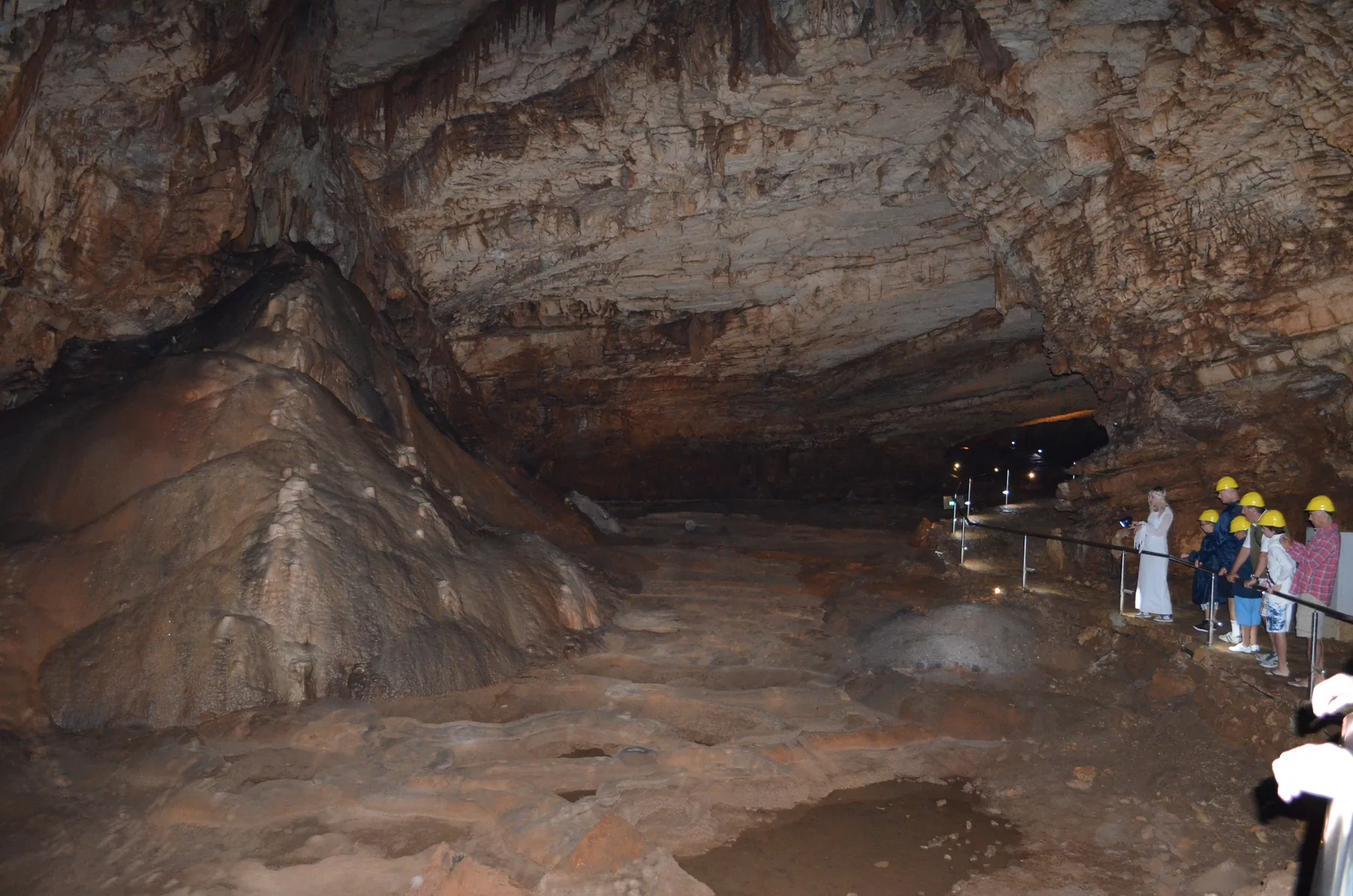
Bijambare is a protected landscape on the Nišići plateau in Sarajevo Canton, centered on a karst cave complex and surrounding forests and meadows. The official protected-area profile states that the area has eight caves, but only the arranged Middle Bijambare Cave is open to visitors; it is about 500 m long, includes four halls, and has notable stalactites, stalagmites and a hall known for its acoustics.

Photo: MichaelBueker · Resized and converted to WebP; display may be cropped · License: CC BY 3.0

Sarajevo, Sarajevo Canton, Federation of Bosnia and Herzegovina, Bosnia and Herzegovina / Heritage

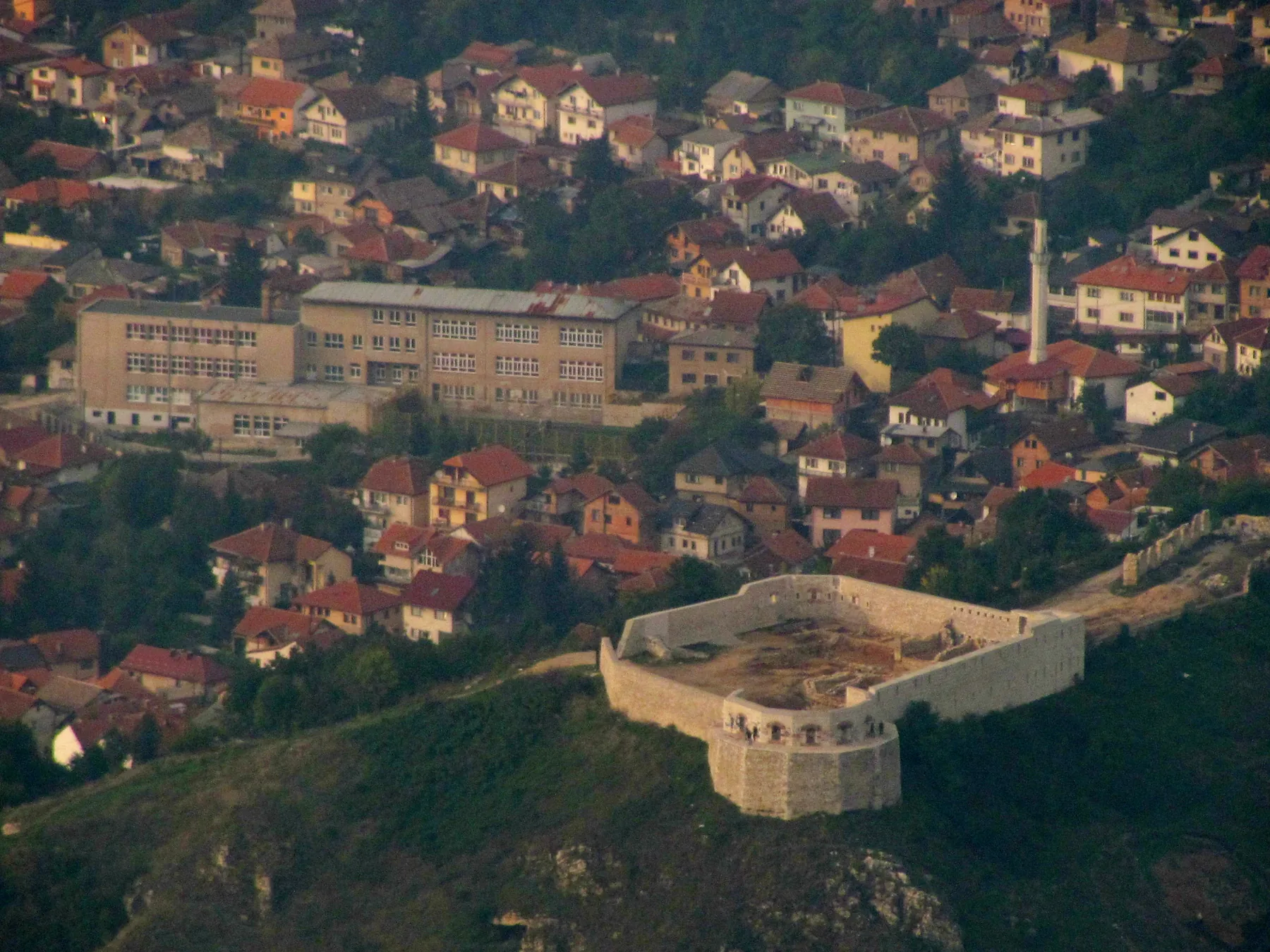
Bijela Tabija White Fortress

Bijela Tabija (White Fortress/White Bastion) is a fortified site on the southeastern edge of Sarajevo's historic Vratnik area, overlooking the Sarajevo valley. Archaeological and historical research identifies medieval remains, later Ottoman additions, and Austro-Hungarian-period alterations; it formed part of Vratnik's defensive fortifications.

Photo: Julian Nyča · Resized and converted to WebP; display may be cropped · License: CC BY-SA 3.0

Blagaj, Mostar municipality, Herzegovina-Neretva Canton, Bosnia and Herzegovina / Heritage

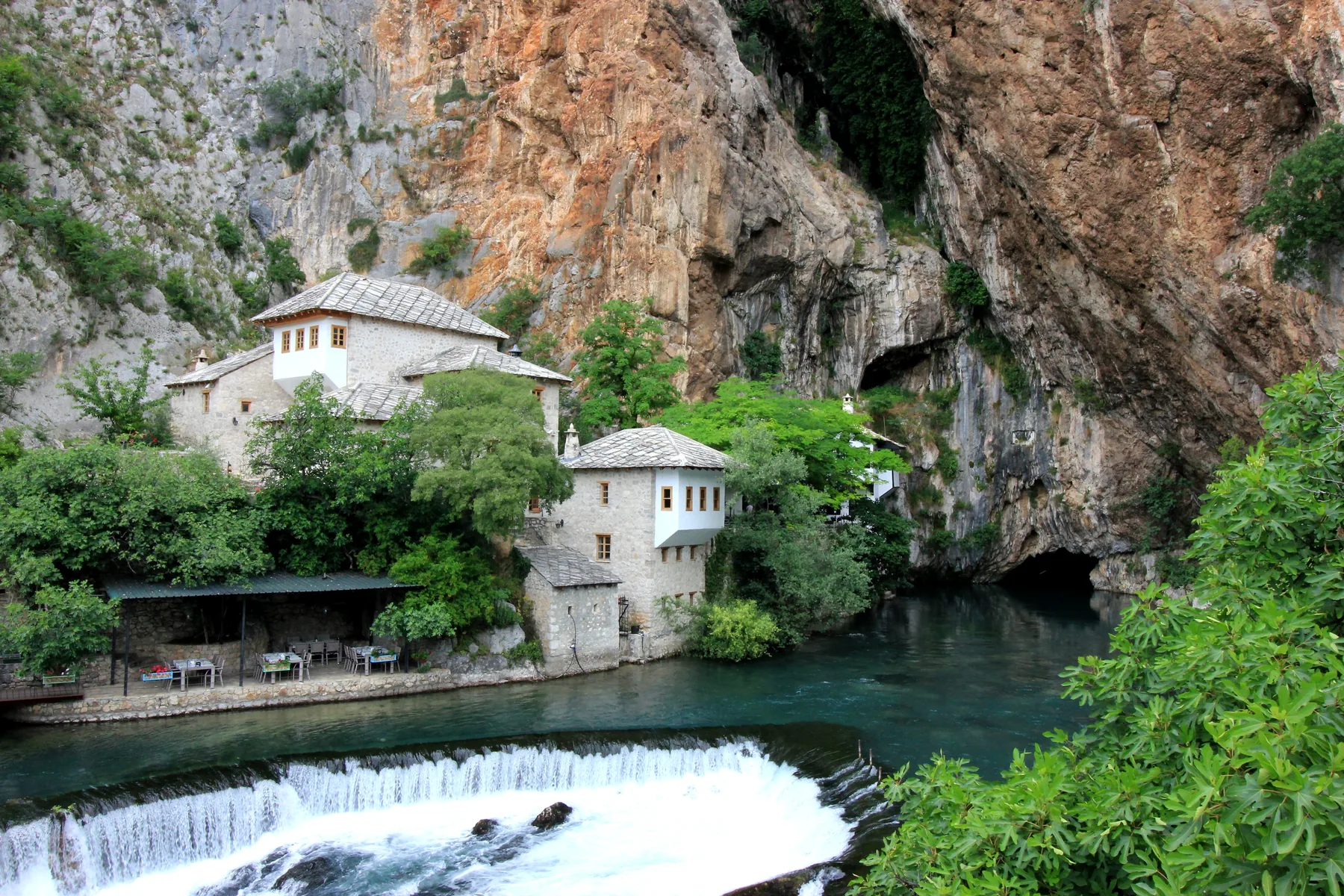
Blagaj Tekija and Buna spring

Blagaj Tekija is a historic dervish lodge beside the source of the Buna River at the foot of a cliff in Blagaj, near Mostar. The site forms part of the natural and architectural ensemble of Blagaj, combining the Ottoman-era tekke complex with the karst spring and surrounding landscape.

Photo: Prizren, Stone Bridge, Sinan Pasha Mosque and City Castle — Bujar I Gashi · Resized and converted to WebP; display may be cropped · License: Creative Commons Attribution-ShareAlike 3.0 Unported (CC BY-SA 3.0)

Kosovo / Heritage

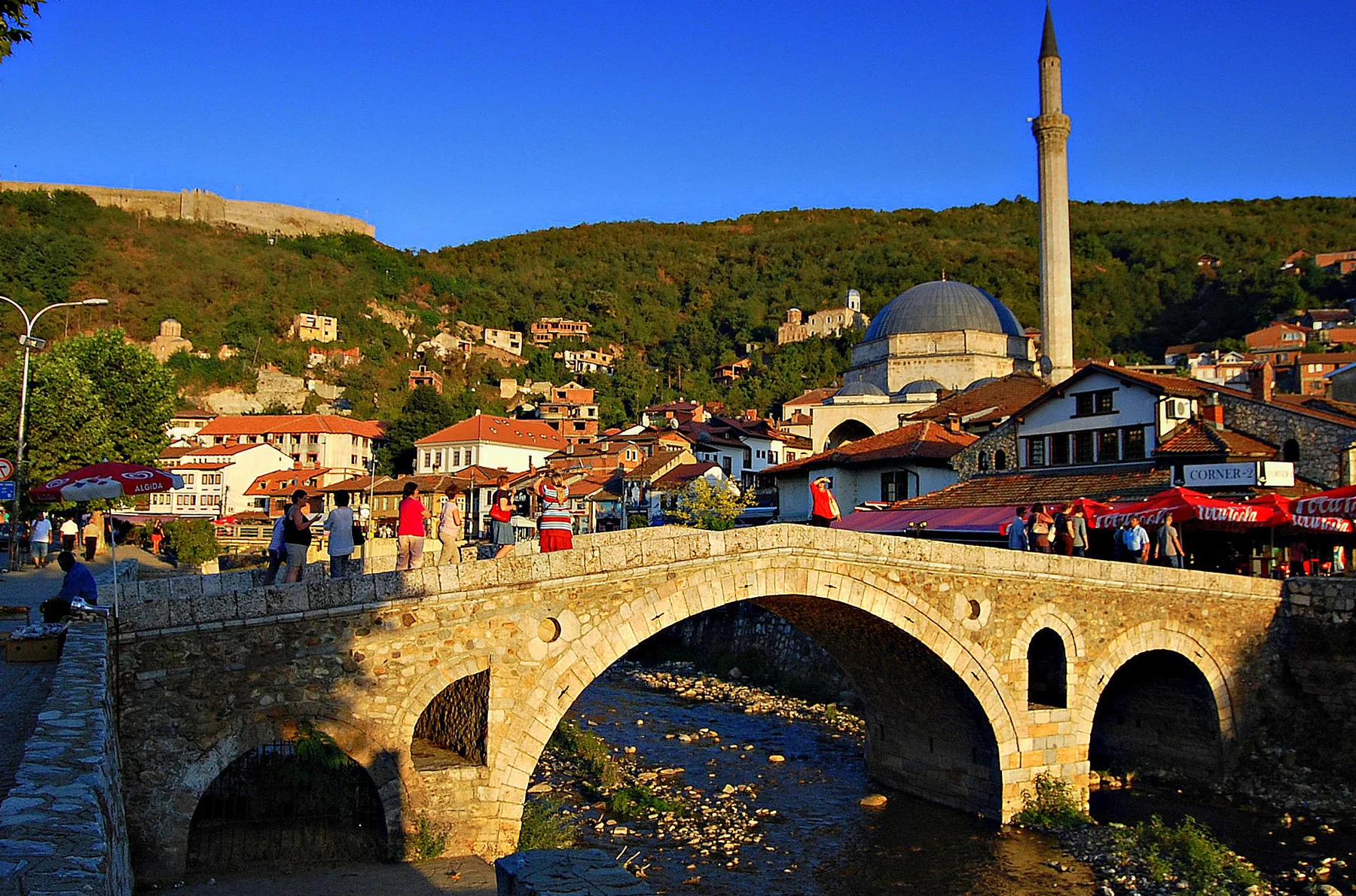
Historic Center of Prizren

Prizren’s historic center is a cultural-heritage area where Christian, Islamic, Ottoman, and vernacular traditions meet. The official tourism site presents it through historic religious buildings, bridges, squares, and the fortress above the city.

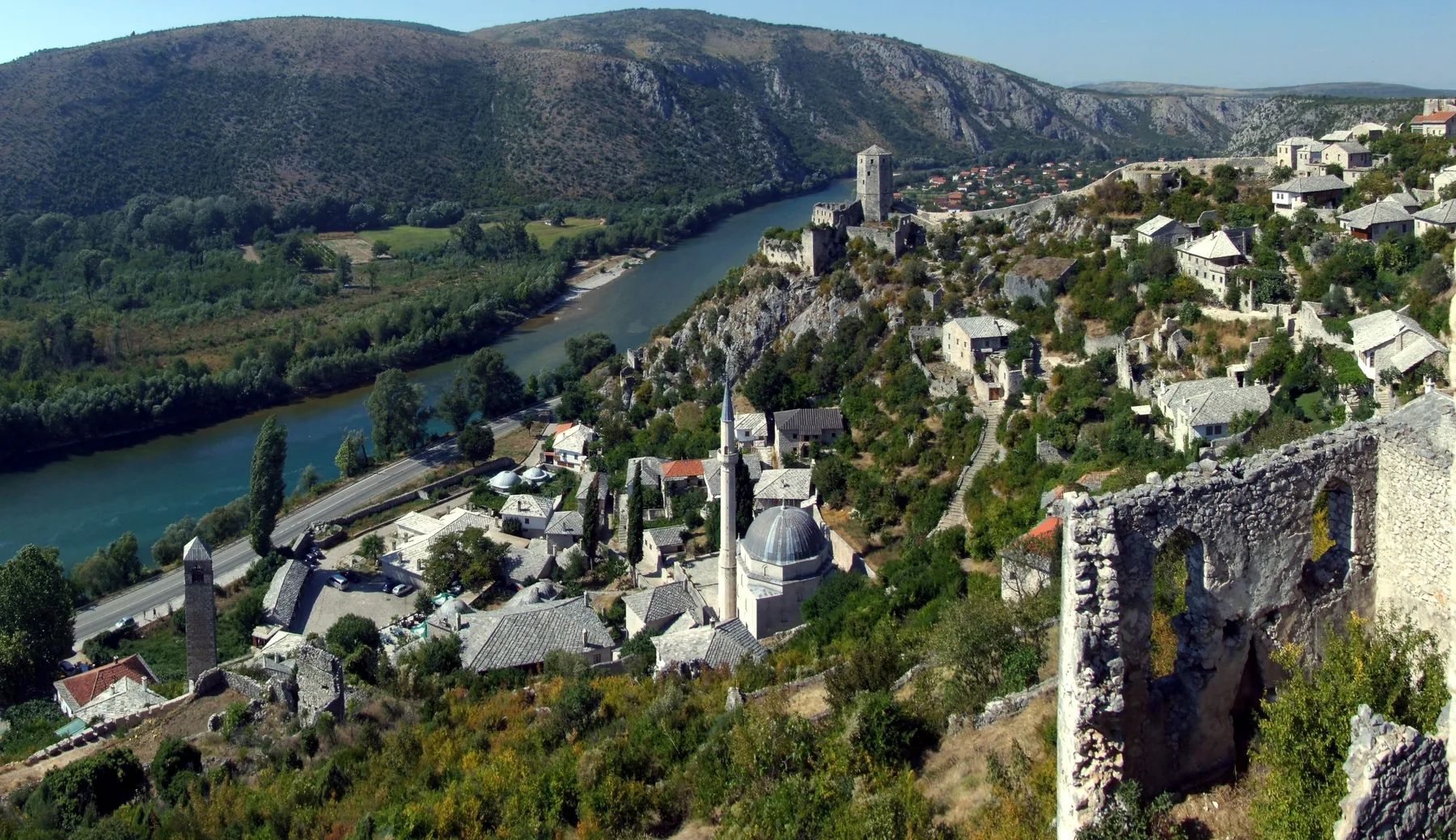
Photo: Pudelek (Marcin Szala) · Resized and converted to WebP; display may be cropped · License: CC BY-SA 3.0

Herzegovina-Neretva Canton, Čapljina Municipality, Bosnia and Herzegovina / Heritage

Historic town of Počitelj

Počitelj is a historic fortified town on the left bank of the Neretva, south of Mostar, in Čapljina Municipality. Its surviving stone ensemble records medieval and Ottoman phases, including fortifications and Ottoman civic and religious buildings such as the mosque, madrasa, hamam and clock tower.

Image not available

Herzegovina — Čapljina and Stolac, Bosnia and Herzegovina / Nature

Hutovo Blato Nature Park

Hutovo Blato Nature Park is a protected sub-Mediterranean wetland on the left bank of the Neretva River in southern Herzegovina, within the municipalities of Čapljina and Stolac. Its lakes, channels, marshes and the Krupa River form a habitat for diverse plant and animal life, including migratory, wintering and nesting waterbirds. The park is a Ramsar-listed wetland of international importance and is suited to nature observation and birdwatching.

Image not available

Banja Luka, Republika Srpska, Bosnia and Herzegovina / Heritage

Kastel Fortress

Kastel Fortress is a historic fortress in central Banja Luka, on the left bank of the Vrbas River. The city tourism organization describes it as Banja Luka's oldest historical monument, with archaeological traces connected to prehistoric settlement, the Roman period and the Middle Ages. Its surviving stone walls offer a place to explore the city's layered cultural and military history.

Image not available

Northwestern Bosnia and Herzegovina, in Republika Srpska, on Kozara Mountain near Prijedor / Nature

Kozara National Park

Kozara National Park is a protected forested mountain area in northwestern Bosnia and Herzegovina, in Republika Srpska; the park was formally designated on 6 April 1967 to protect the area's natural features and World War II-related monuments. Its central historical site is the Mrakovica Memorial Zone, which includes a monument, a memorial wall and a museum dedicated to the wartime losses and memory of the Kozara region.

Image not available

Ljubuški, West Herzegovina, Bosnia and Herzegovina / Nature

Kravica Waterfall

Kravica Waterfall is a semicircular tufa cascade on the Trebižat River near Ljubuški in Herzegovina. The official site describes a waterfall about 28 m high and a water amphitheatre about 120 m across; the Ljubuški tourism board gives the same core facts.

Image not available

Mostar, Bosnia and Herzegovina / Heritage

Kujundžiluk Old Bazaar

Kujundžiluk is a historic bazaar street in Mostar's Old City, on the left bank of the Neretva. It developed as part of Mostar's čaršija and extends from above the Tara and Herceguša towers toward Mala Tepa. The bazaar is associated with copper- and ironworking crafts and was a centre of the goldsmiths' trade.

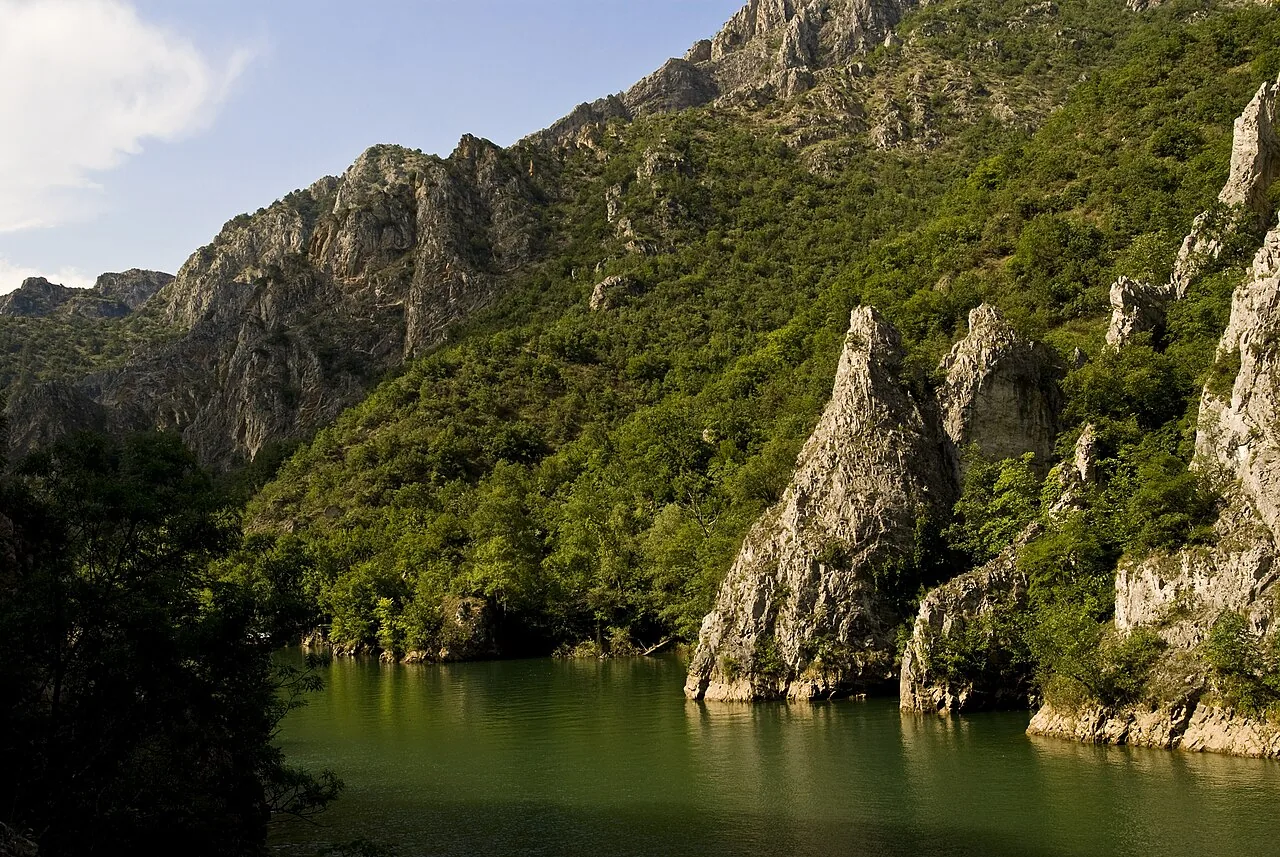
Photo: Geoff · Converted to WebP; display may be cropped · License: Creative Commons Attribution 2.0 Generic (CC BY 2.0)

North Macedonia / Nature

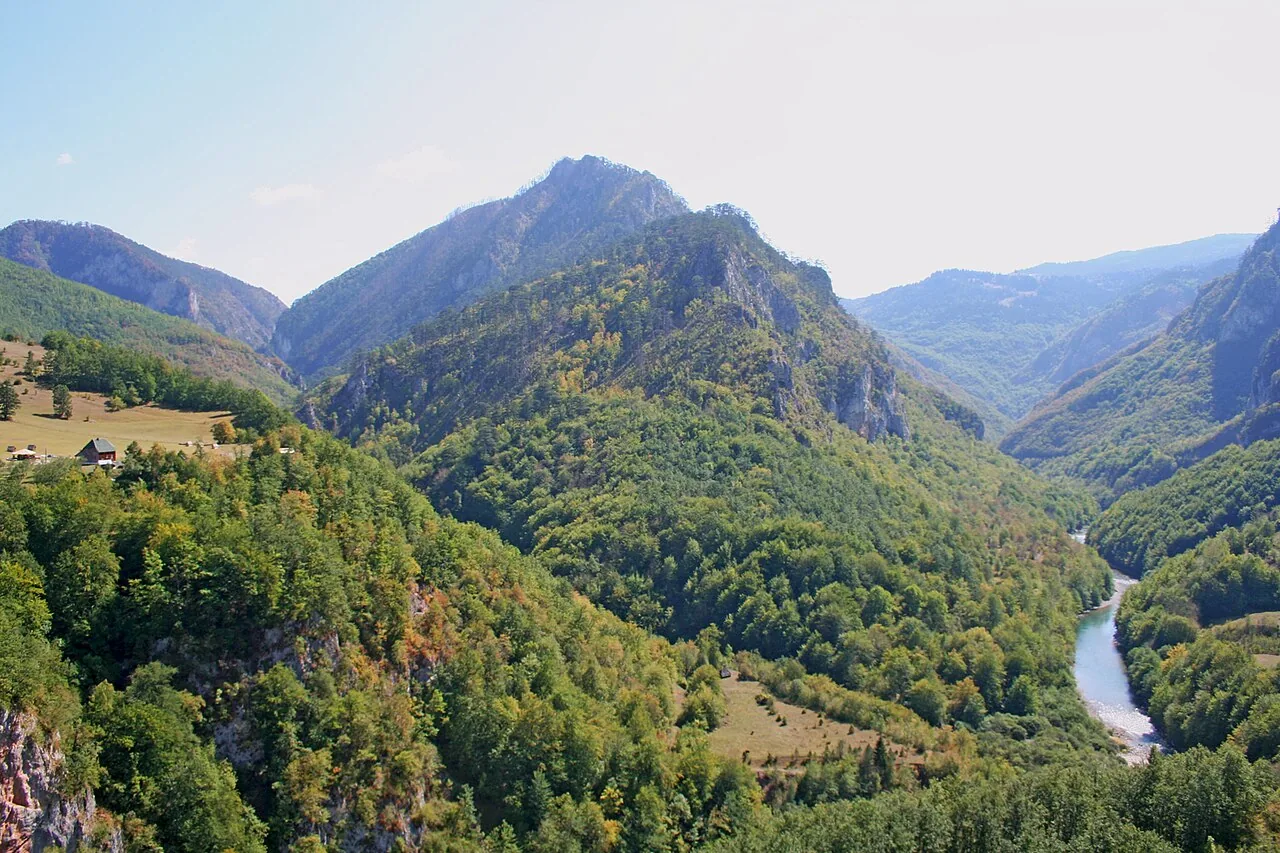
Matka Canyon

Matka Canyon is a natural attraction near Skopje, identified by the City of Skopje among the city's ravines and associated with Matka Lake and the Treska canyon. Its landscape combines canyon scenery, water and caves documented by the city administration.

Image not available

Eastern Bosnia and Herzegovina; Republika Srpska (UNESCO Sarajevo Macro Region) / Heritage

Mehmed Paša Sokolović Bridge in Višegrad

The Mehmed Paša Sokolović Bridge crosses the Drina River in Višegrad, eastern Bosnia and Herzegovina. Built in the late 16th century by Ottoman court architect Mimar Koca Sinan on the order of Grand Vizier Mehmed Paša Sokolović, it is a 179.5 m stone bridge with 11 masonry arches and was inscribed on the UNESCO World Heritage List in 2007 under criteria (ii) and (iv).

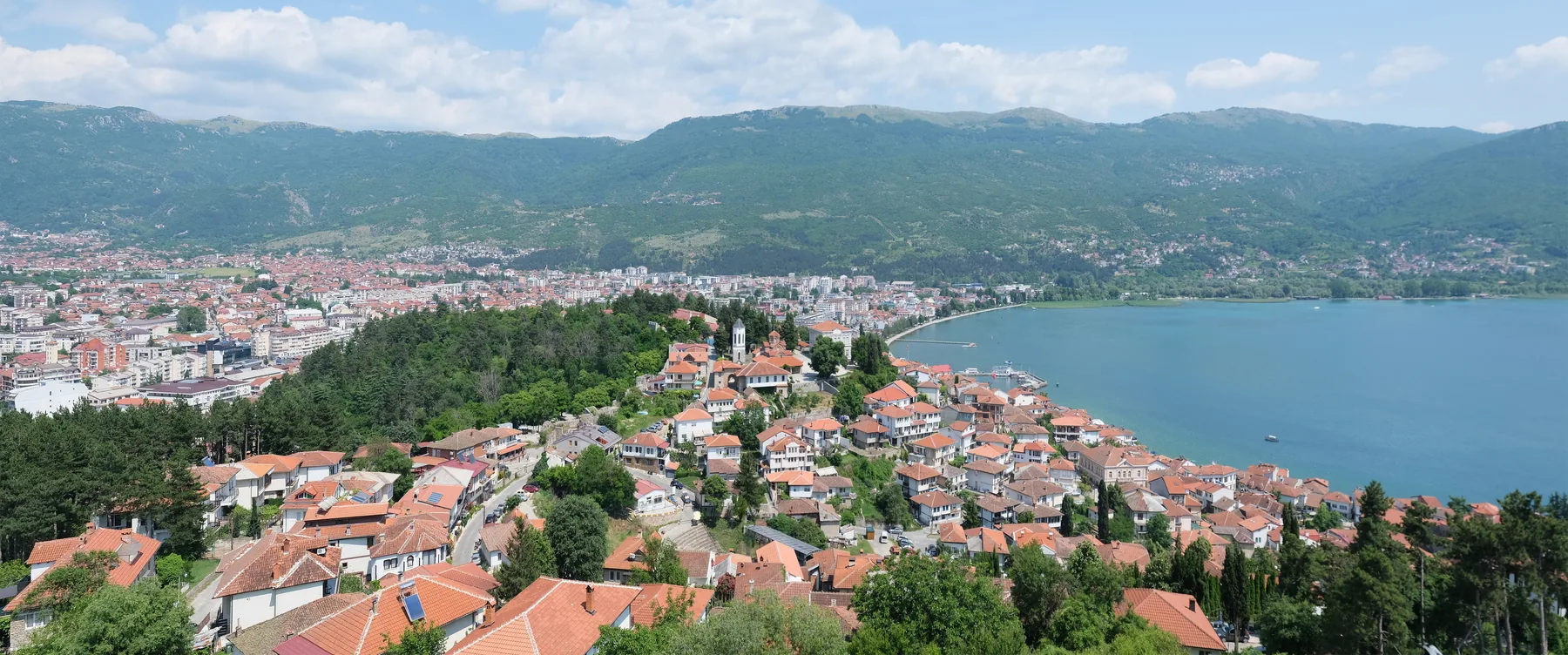
Photo: Ohrid from Samuel's Fortress 2.jpg — kallerna · Resized and converted to WebP; display may be cropped · License: Creative Commons Attribution-ShareAlike 4.0 International (CC BY-SA 4.0)

North Macedonia / Heritage

Natural and Cultural Heritage of the Ohrid region

The Ohrid Region combines the ancient biodiversity of Lake Ohrid with Ohrid's exceptionally well-preserved historic town on the lakeshore. Its heritage includes medieval religious architecture, archaeological remains, Byzantine art, and endemic freshwater life.

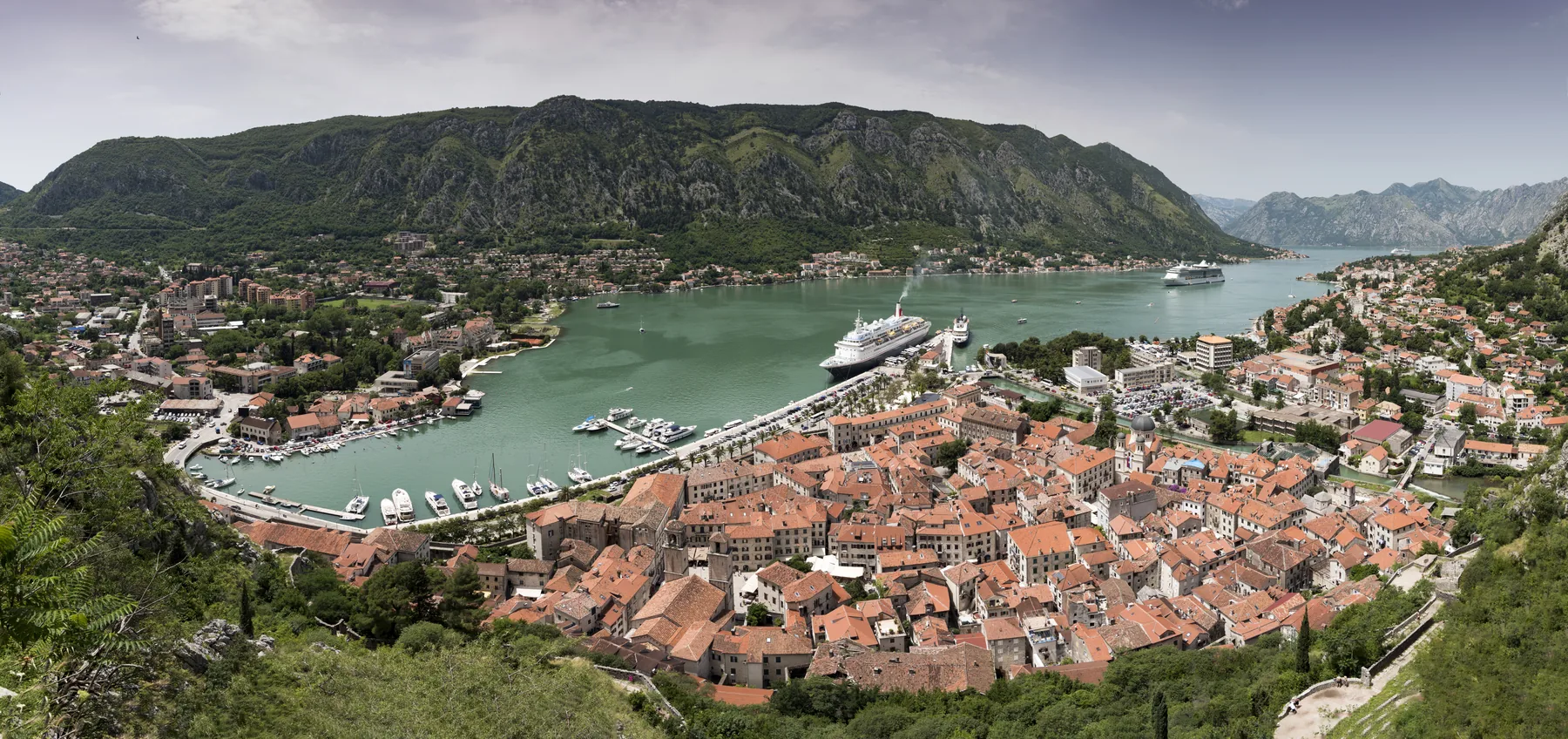
Photo: Kotor Montenegro panorama 2016.jpg — Chensiyuan · Resized and converted to WebP; display may be cropped · License: Creative Commons Attribution-ShareAlike 4.0 International (CC BY-SA 4.0)

Montenegro / Heritage

Natural and Culturo-Historical Region of Kotor

The Natural and Culturo-Historical Region of Kotor is a UNESCO World Heritage property in the Boka Kotorska Bay on Montenegro's Adriatic coast. Its cultural value comes from historic fortified towns, settlements, palaces and monastic ensembles integrated with the bay's mountainous landscape.

Photo: Ramirez · Resized and converted to WebP · License: CC BY-SA 4.0

Bosnia and Herzegovina / Heritage

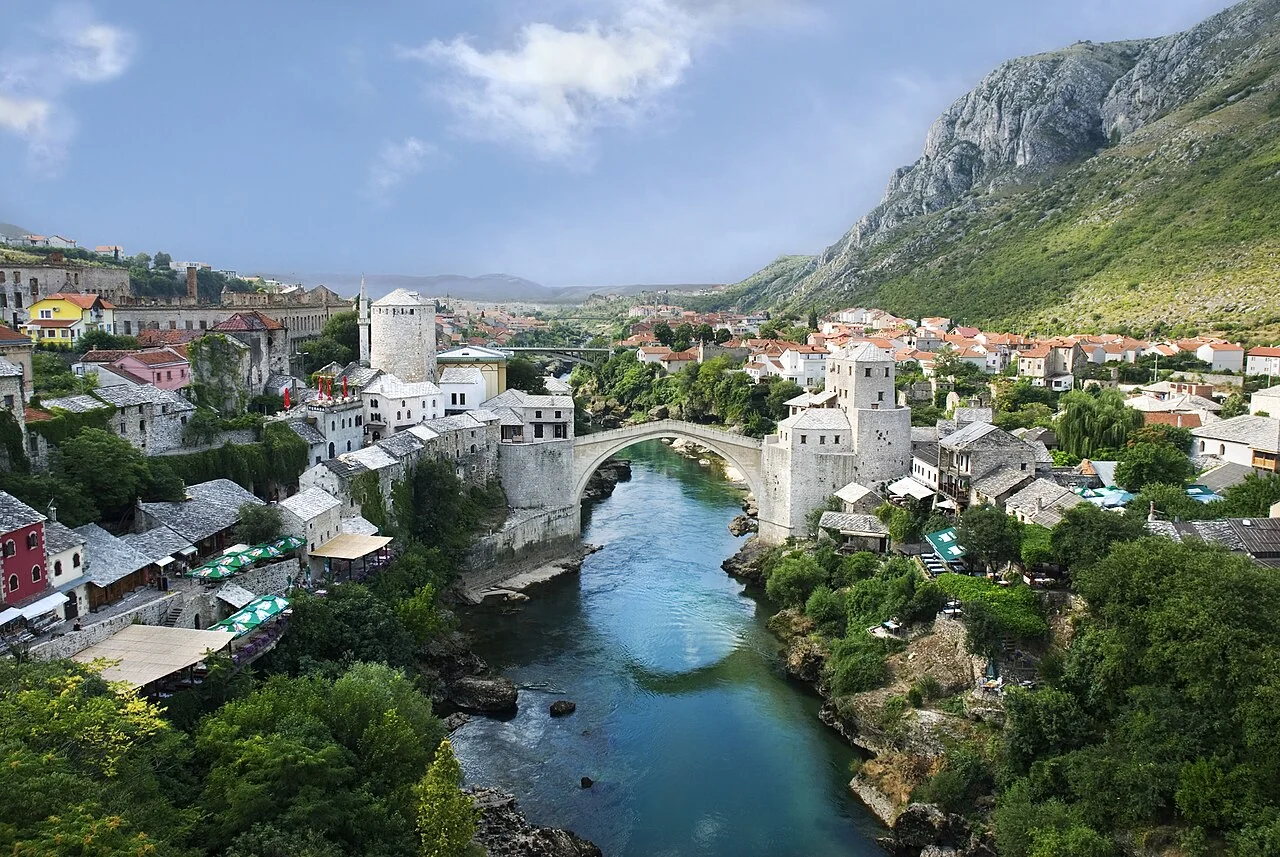
Old Bridge of Mostar

Mostar’s reconstructed Old Bridge crosses the Neretva in the historic city. The Old Bridge area is inscribed on the UNESCO World Heritage List.

Image not available

Konjic, Herzegovina-Neretva Canton, Bosnia and Herzegovina / Heritage

Old Stone Bridge in Konjic

Stara Ćuprija (the Old Stone Bridge) crosses the Neretva in Konjic’s old town and is recognized as a National Monument of Bosnia and Herzegovina. The Ottoman-era bridge was built in 1682–1683 under Ali-aga Hasečić, destroyed during the German withdrawal on 3 March 1945, and reconstructed to its original appearance between 2006 and 2009 before reopening on 16 June 2009.

Image not available

Trebinje-Foča Region (Herzegovina), Bosnia and Herzegovina / Heritage

Old town of Trebinje

Trebinje's Old Town, known locally as Kastel, is a fortified historic quarter on the right bank of the Trebišnjica River, above the site called Ban-vir. The local tourism organization dates its construction to the Ottoman period, with Osman Pasha beginning the fortification in 1714 and its final form developing during the first four decades of the 18th century.

Image not available

Tuzla, Tuzla Canton, Bosnia and Herzegovina / Leisure

Pannonian Lakes

Pannonian Lakes is a salt-water lake complex in downtown Tuzla, with three lakes of different depths and sizes, salt waterfalls and beaches. The complex also includes the Neolithic pile-dwelling archaeological park and the Geological Museum Exhibition “Pannonica”, making it a place to combine swimming and lakeside leisure with Tuzla’s salt and geological heritage. The lakes use mineral-rich salt water extracted from underground wells.

Photo: Whitepixels · Resized and converted to WebP; display may be cropped · License: CC0 1.0 Universal (public domain dedication)

Central Bosnia Canton, Bosnia and Herzegovina (near Jajce) / Nature

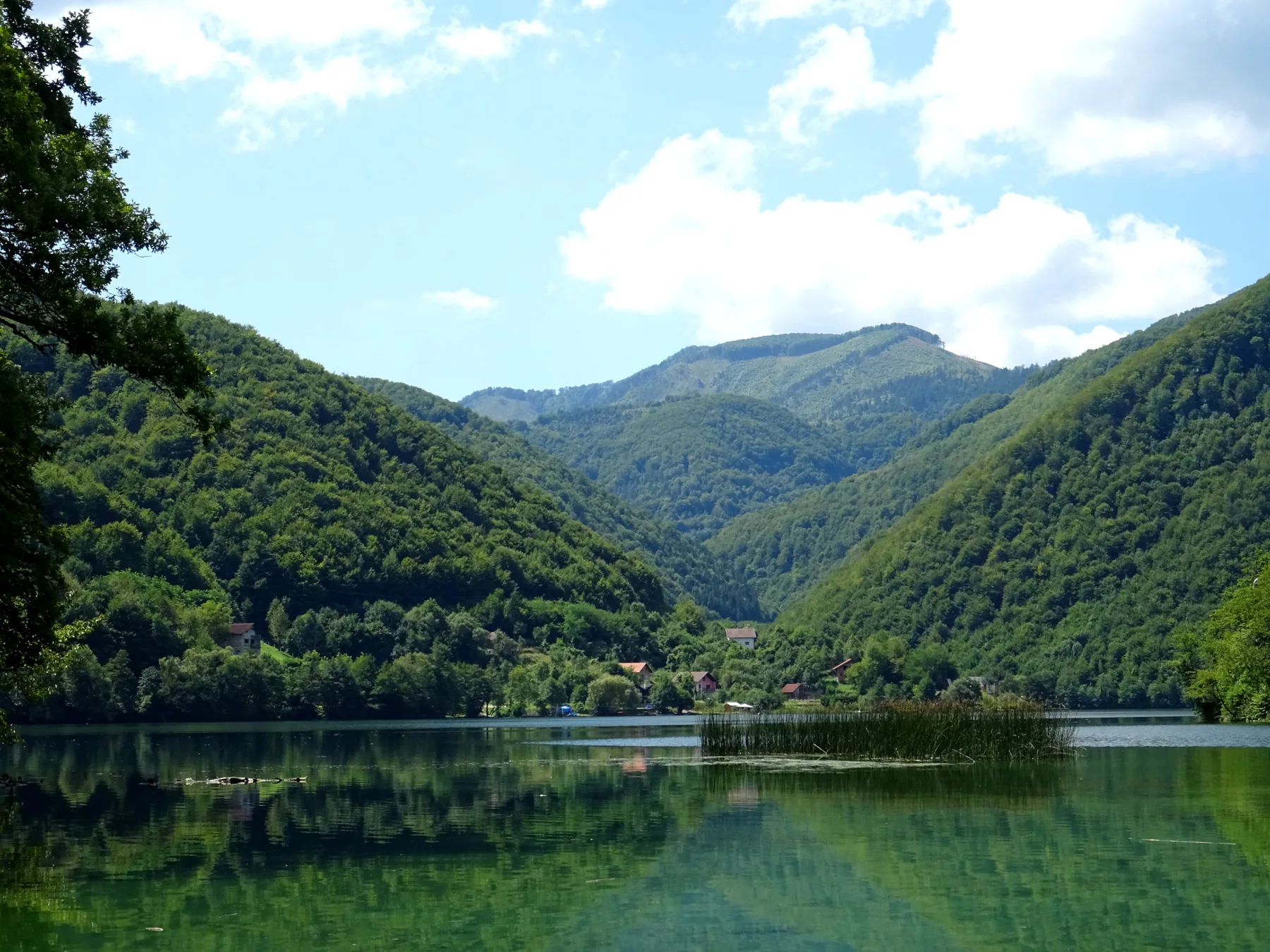
Pliva Lakes

Pliva Lakes are the two lakes known as Veliko Plivsko Jezero (Great Pliva Lake) and Malo Plivsko Jezero (Small Pliva Lake), formed where the Pliva River widens near Jajce in central Bosnia and Herzegovina. The lake area is associated with the traditional wooden watermills (Mlinčići) on the Pliva and with the wider natural and architectural ensemble of Jajce.

Photo: Foant · Resized and converted to WebP · License: CC BY-SA 3.0

Bosnia and Herzegovina / Nature

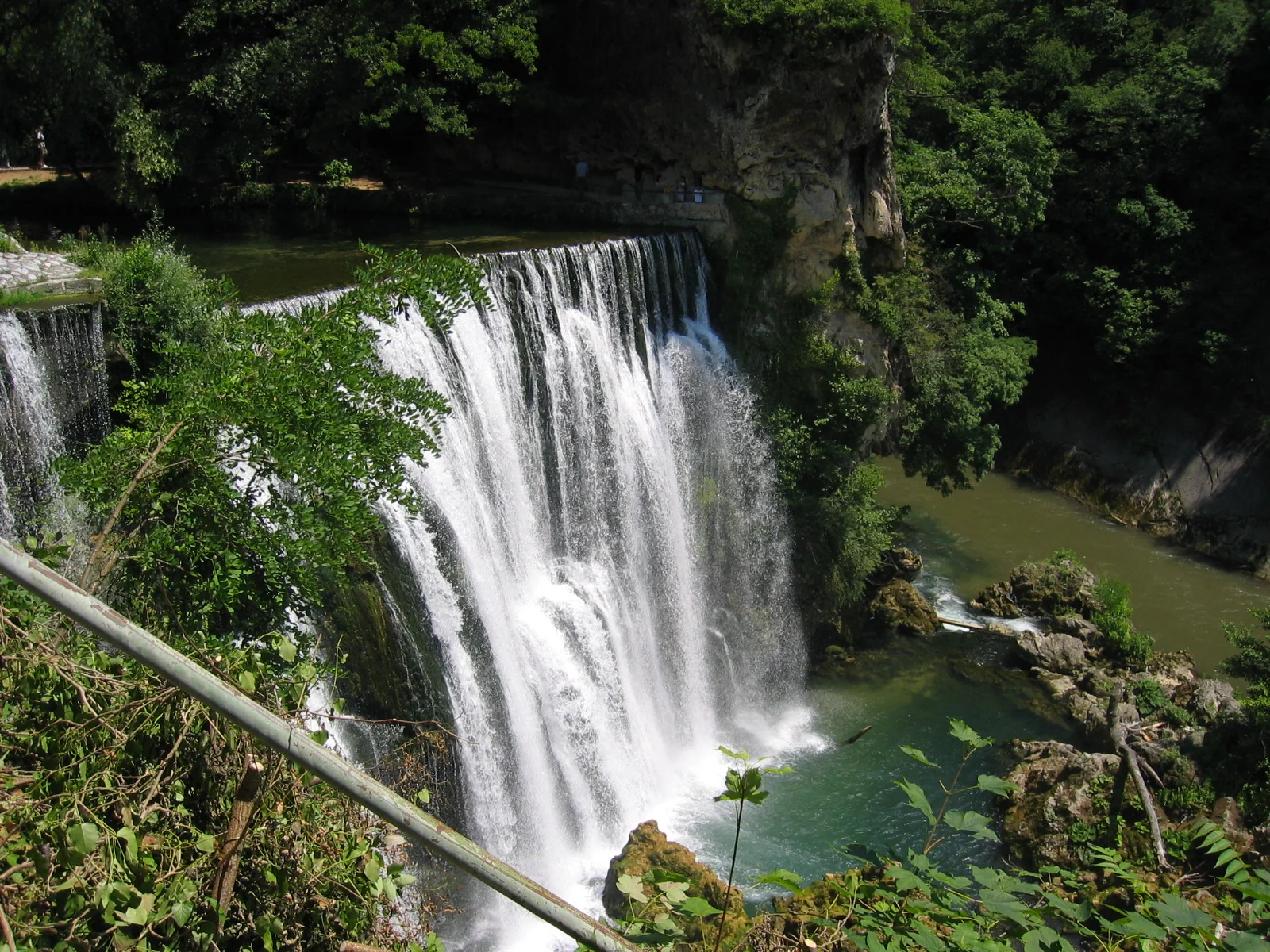
Pliva Waterfall, Jajce

In Jajce, the Pliva Waterfall lies near the confluence of the Pliva and Vrbas rivers.

Image not available

Fojnica Municipality, Central Bosnia Canton, Bosnia and Herzegovina / Nature

Prokoško Lake

Prokoško Lake is a glacial mountain lake on Vranica Mountain in Fojnica Municipality, Central Bosnia Canton, at about 1,636 metres above sea level. The lakeshore and surrounding highland landscape include traditional wooden shepherd huts (katuni), and the site is designated a Category III natural monument/protected area.

Image not available

Stolac, Herzegovina-Neretva Canton, Bosnia and Herzegovina / Heritage

Radimlja Stećci Necropolis

Radimlja is a medieval stećci necropolis in Vidovo polje, about 3 km west of Stolac. Its 133 limestone tombstones include 63 decorated examples with reliefs and inscriptions, as well as recurring motifs such as crosses, vines, figures, hunting scenes and weapons. Radimlja is the Stolac component of the UNESCO World Heritage serial property Stećci Medieval Tombstone Graveyards, inscribed in 2016.

Photo: SUHEJLO · Resized and converted to WebP; display may be cropped · License: Creative Commons Attribution 4.0 International (CC BY 4.0)

Kosovo / Nature

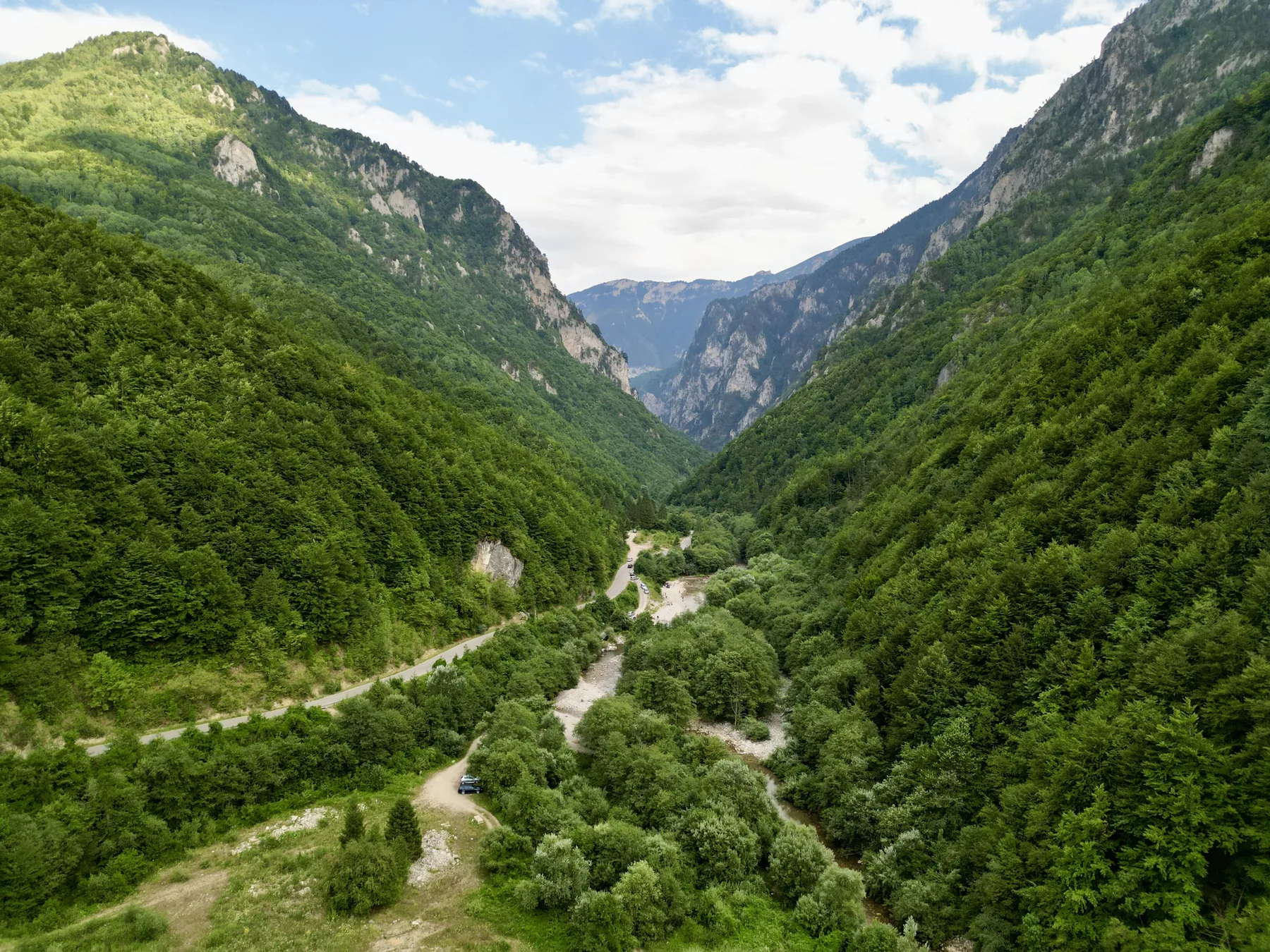
Rugova Gorge

Rugova Gorge is a protected natural monument in the mountainous region of Rugova, beginning about 2 km from central Peja. The gorge is shaped by the Lumbardhi river and is known for its high rock walls, waterfalls and varied flora.

Image not available

Sarajevo, Bosnia and Herzegovina / Heritage

Sarajevo City Hall (Vijećnica)

Sarajevo City Hall, known as Vijećnica, opened in 1896 and later served as the National Library. After the building was destroyed by fire during the war in 1992, it was reconstructed from the original documentation and officially reopened in 2014. Today, the building hosts cultural, artistic and economic events, museum displays and City Council sessions.

Photo: Bernard Gagnon · Resized and converted to WebP; display may be cropped · License: CC BY-SA 4.0

Butmir, Sarajevo Canton, Bosnia and Herzegovina / Heritage

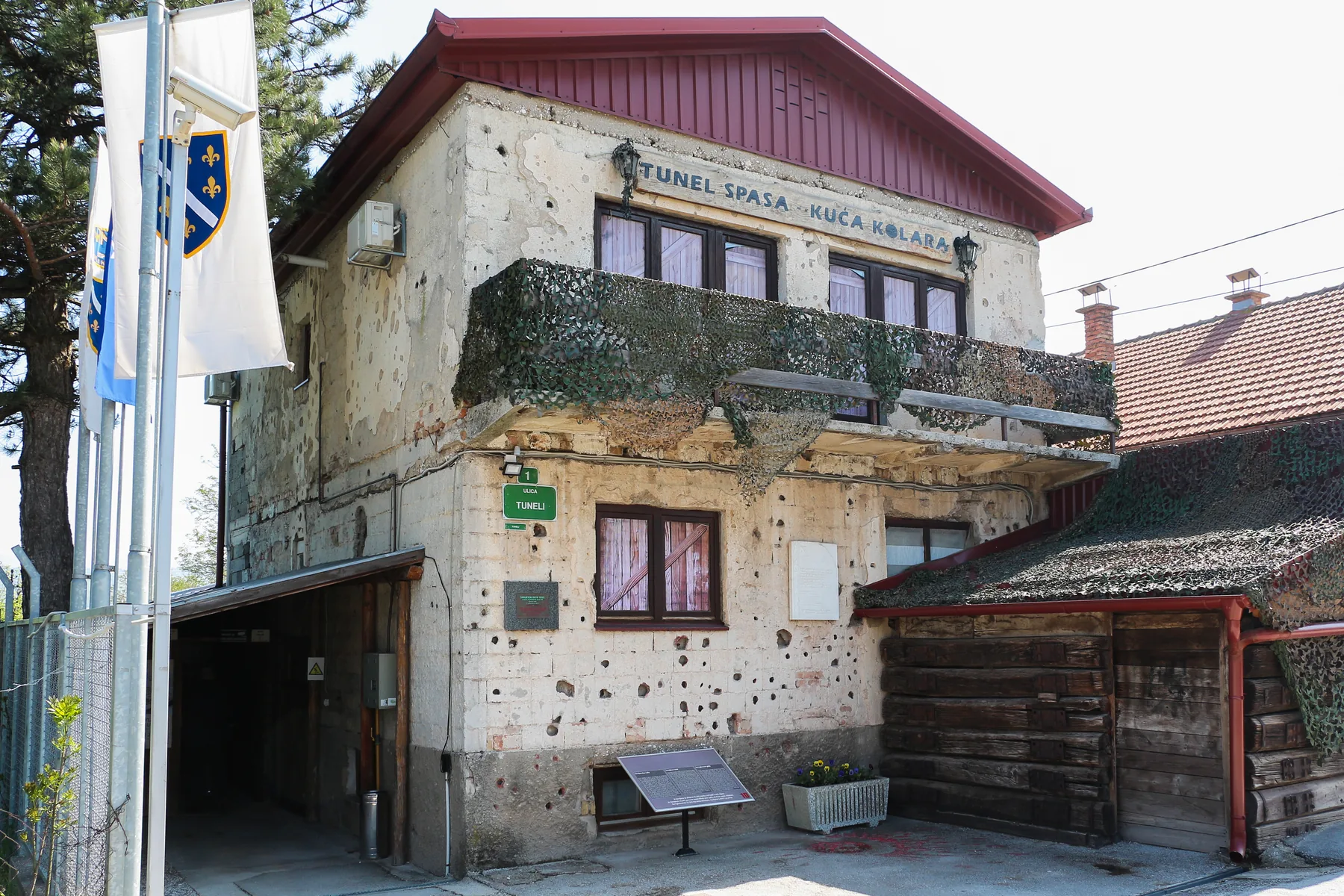
Sarajevo Tunnel of Hope museum

Sarajevo Tunnel of Hope is the memorial complex for Tunnel D-B (Tunel spasa), the wartime passage dug beneath Sarajevo Airport in 1993 to connect besieged Sarajevo's Dobrinja district with Butmir and access toward free territory. The site is administered by Memorial Center Sarajevo and includes the original Butmir-side entrance, 25 metres of authentic tunnel, and a further 100 metres of reconstructed tunnel representing its 1993–1995 operation.

Image not available

Tuzla Canton, Federation of Bosnia and Herzegovina / Heritage

Srebrenik Fortress

Srebrenik Fortress (Stari grad Srebrenik) is a medieval hilltop fortress in Gornji Srebrenik, on the northeastern slopes of the Majevica range above the Tinja valley, near the town of Srebrenik. The Tuzla Canton tourist organisation records its earliest documented mention in 1333, while Radio Free Europe reports that the historic site was declared a national monument of Bosnia and Herzegovina in 2004.

Photo: Julian Nyča · Resized and converted to WebP · License: CC BY-SA 3.0

Una-Sana Canton, northwestern Bosnia and Herzegovina (Bihać area) / Nature

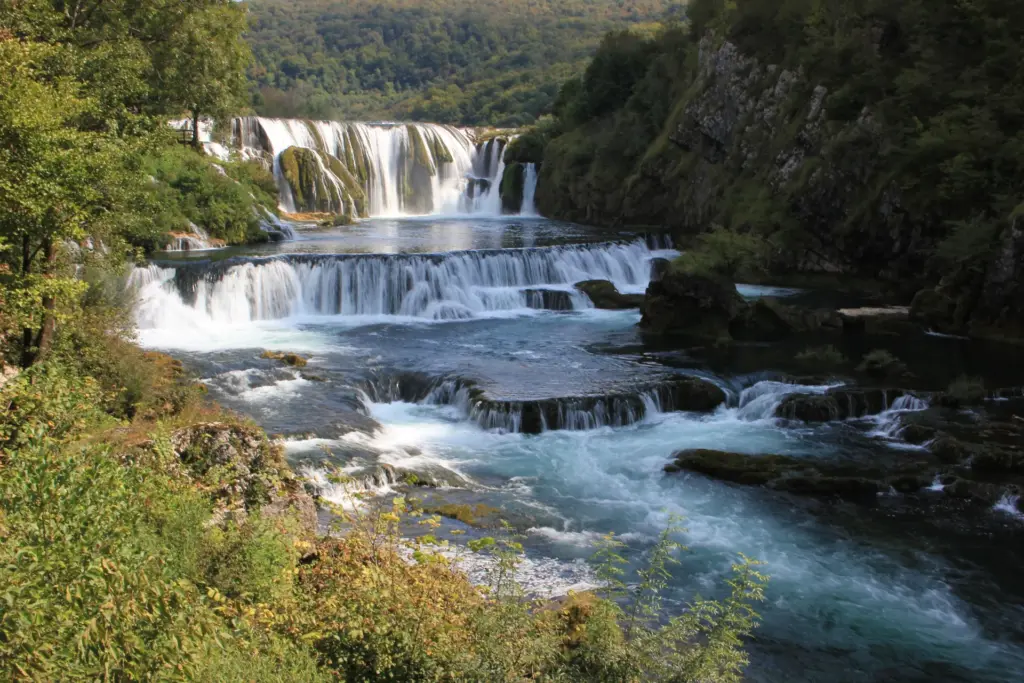
Štrbački buk waterfalls

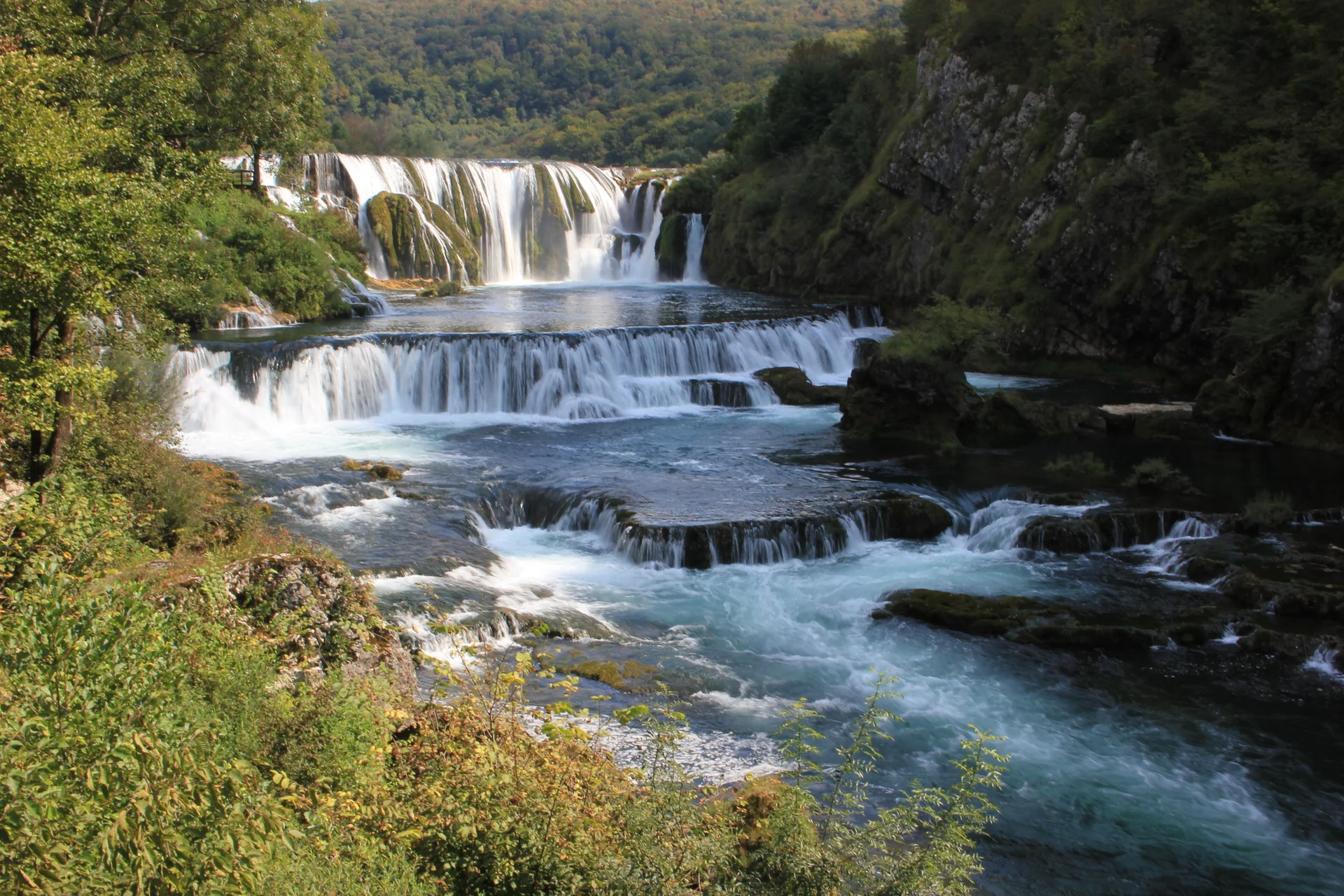
Štrbački buk is a multi-level travertine waterfall on the Una River in Una National Park, in the upper Una valley of Una-Sana Canton; the park authority gives its height as 24.5 m and identifies it as the park’s highest waterfall. UNESCO’s Tentative List describes Štrbački buk among the travertine waterfalls of Una National Park, whose karst river system is shaped by tectonic relief and tufa-forming biological and chemical processes.

Photo: Petkovic Boris (Wikimedia Commons username: Petkovic Boris) · Resized and converted to WebP; display may be cropped · License: Creative Commons Attribution-ShareAlike 4.0 International (CC BY-SA 4.0)

Eastern Bosnia and Herzegovina (Republic of Srpska, Upper Drina region), near the Montenegro border / Nature

Sutjeska National Park

Sutjeska National Park is Bosnia and Herzegovina's oldest national park, established in 1962, in a mountainous area where Bosnia and Herzegovina meets Montenegro. It includes Maglić (2,386 m), identified by the regional tourism authority as the country's highest peak, and the Perućica strict nature reserve, a protected old-growth forest with the Skakavac waterfall.

Photo: Dans · Resized and converted to WebP; display may be cropped · License: CC BY-SA 4.0

Central Bosnia Canton, Bosnia and Herzegovina / Heritage

Travnik Fortress

Travnik Fortress, also called Stari Grad (Old Town), is a medieval fortress complex in Travnik. The Regional Museum of Travnik dates its construction broadly to the second half of the 14th or first half of the 15th century, while noting that the builder and exact date are not established; its present form also reflects later Ottoman interventions.

Image not available

Sarajevo, Bosnia and Herzegovina / Leisure

Trebević Cable Car

Trebević Cable Car connects Sarajevo with Trebević Mountain, starting from the Bistrik area. It offers access to Trebević’s natural surroundings, including the Brus area and the Olympic bobsled track.

Photo: Julian Nyča · Resized and converted to WebP · License: CC BY-SA 3.0

Bosnia and Herzegovina / Nature

Una National Park

Una National Park lies in western Bosnia and Herzegovina in the Bihać area. It includes parts of the Una and Unac river valleys.

Image not available

Bjelašnica mountain, Municipality of Konjic, Bosnia and Herzegovina / Heritage

Village of Lukomir

Lukomir (Gornji Lukomir) is a high-mountain village on Bjelašnica, on the edge of the Rakitnica Canyon, at about 1,472 m elevation. The Municipality of Konjic identifies its cultural landscape as a protected national monument, noted for traditional vernacular buildings and medieval stećak tombstones.

Photo: Boris Maric · Resized and converted to WebP; display may be cropped · License: CC BY-SA 4.0

Southern Bosnia and Herzegovina — Ravno Municipality, South Dinaric Karst, at the edge of Popovo Polje near Zavala / Nature

Vjetrenica Cave

Vjetrenica Cave is a karst cave system near Zavala in Ravno Municipality, southern Bosnia and Herzegovina, within the South Dinaric Karst. UNESCO inscribed Vjetrenica Cave, Ravno on the World Heritage List in 2024 for its exceptional subterranean biodiversity and endemic species, including the world’s only subterranean tubeworm and many cave-dwelling aquatic and terrestrial taxa.

Image not available

Ilidža, Sarajevo Canton, Bosnia and Herzegovina / Nature

Vrelo Bosne

Vrelo Bosne is a protected natural area at the spring section of the Bosna River, below the slopes of Mounts Igman and Bjelašnica near Ilidža. Its landscaped promenades lead through a green setting to lakes and small waterways, where visitors can see swans and other aquatic life. The area also includes the Great Alley, suitable for walking, jogging, and cycling, together with benches, rest areas, and a children’s playground.