Places
Natural and Culturo-Historical Region of Kotor
The Natural and Culturo-Historical Region of Kotor is a UNESCO World Heritage property in the Boka Kotorska Bay on Montenegro's Adriatic coast. Its cultural value comes from historic fortified towns, settlements, palaces and monastic ensembles integrated with the bay's mountainous landscape.
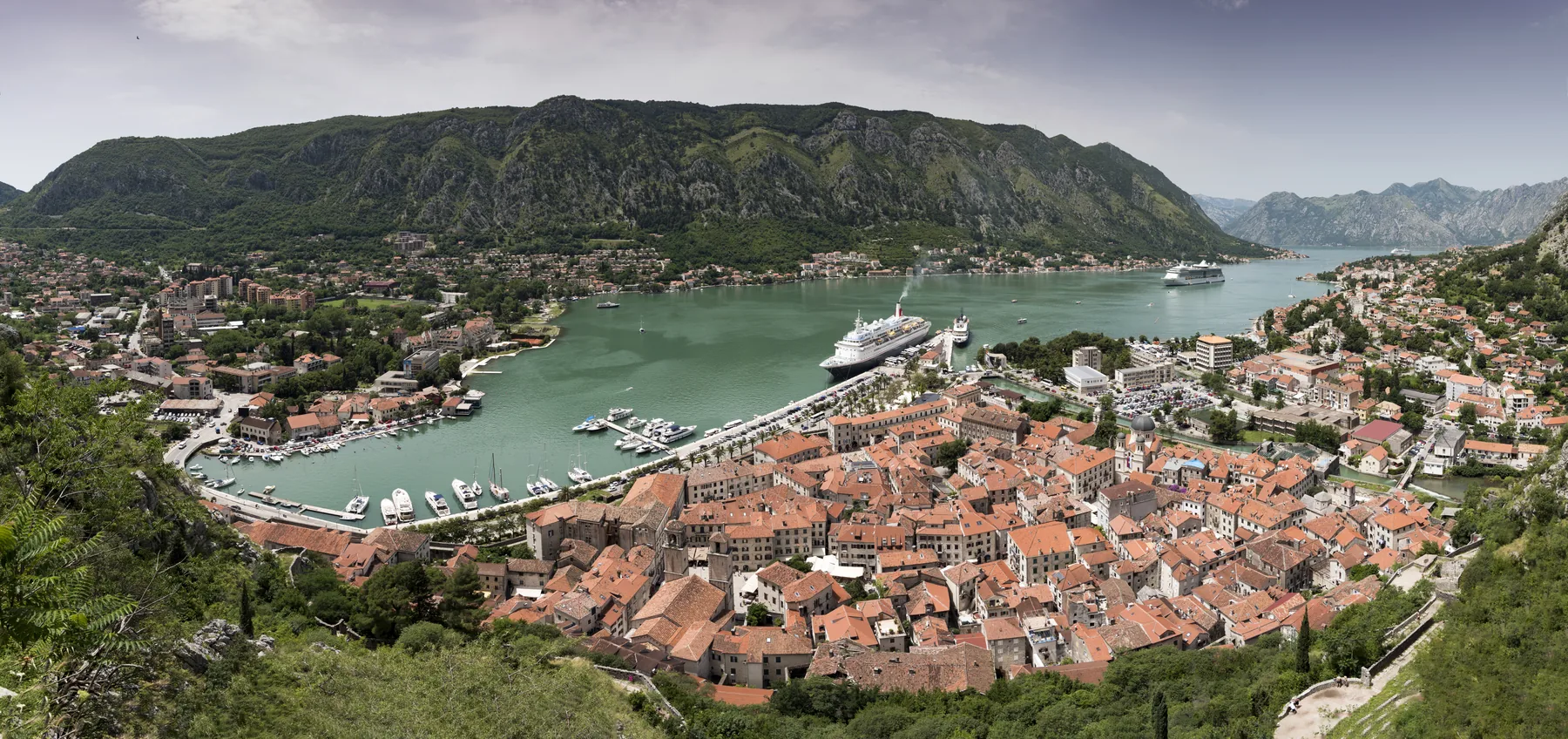
Location: Kotor, Boka Kotorska Bay, Montenegro
Kotor was an important artistic and commercial centre in the Middle Ages, with recognised schools of masonry and iconography. The UNESCO property preserves the relationship between the historic urban areas and the surrounding landscape, including the inner south-eastern part of the bay and mountains rising steeply around it.
In and around the old town, visitors can see fortified walls, narrow and curving Mediterranean streets, squares, historic palaces and churches. The municipality identifies the Cathedral of St Tryphon, the Maritime Museum in Grgurina Palace and the old city gates among Kotor's notable heritage features; UNESCO also records four Romanesque churches and the town walls as part of the historic monument ensemble.
The town was seriously damaged by the 1979 earthquake and was subsequently restored, largely with UNESCO's help. For current access, conservation or visitor conditions, check the official UNESCO, Municipality of Kotor or Montenegro National Tourism Organisation pages before visiting.